
Wine basics
Left Bank vs Right Bank Bordeaux, explained simply
3 min read · Wine basics
In this article
Left Bank vs Right Bank Bordeaux: it is the first distinction every wine lover learns, and the most useful. Once you know it, wine lists, labels and tasting notes start to make sense. Here it is, explained simply.
Which river, which bank?
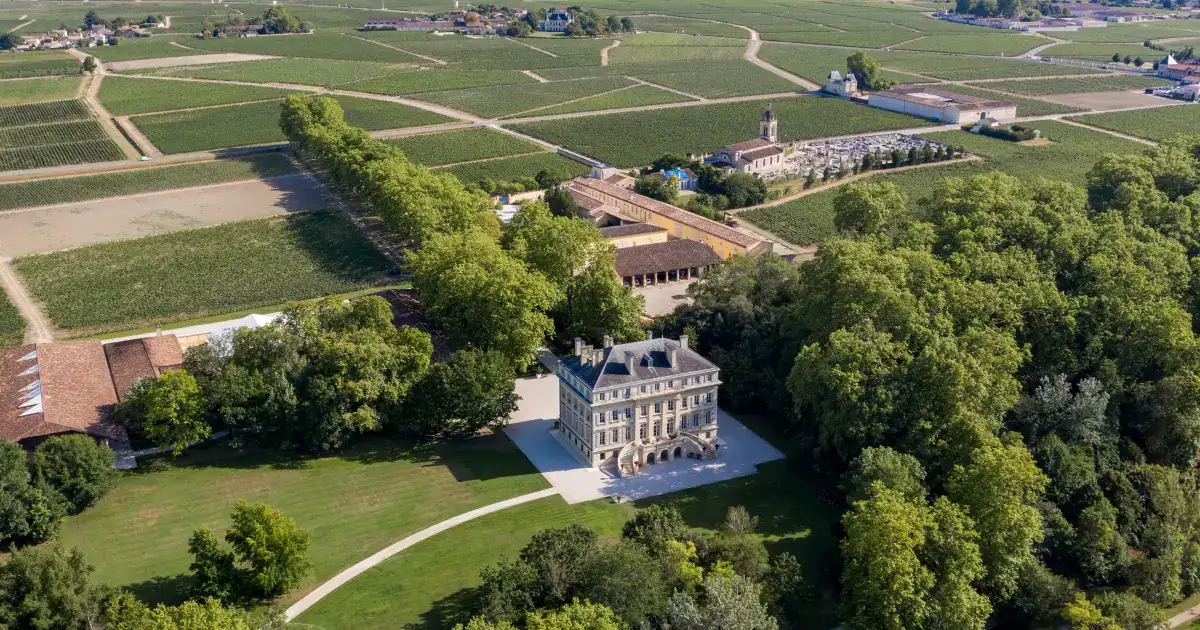
The Left Bank is west of the Garonne and the Gironde estuary: the Médoc, Graves, Pessac-Léognan and Sauternes. The Right Bank is east of the Dordogne: Saint-Émilion, Pomerol and Fronsac. Between the two rivers lies Entre-Deux-Mers, mostly known for white wines.
The grapes: Cabernet vs Merlot
Bordeaux red wines are almost always blends. On the Left Bank, Cabernet Sauvignon leads, giving firm structure, dark fruit and the ability to age for decades. On the Right Bank, Merlot leads, often with Cabernet Franc, for rounder, softer wines that are enjoyable younger.
The soils: gravel vs clay and limestone
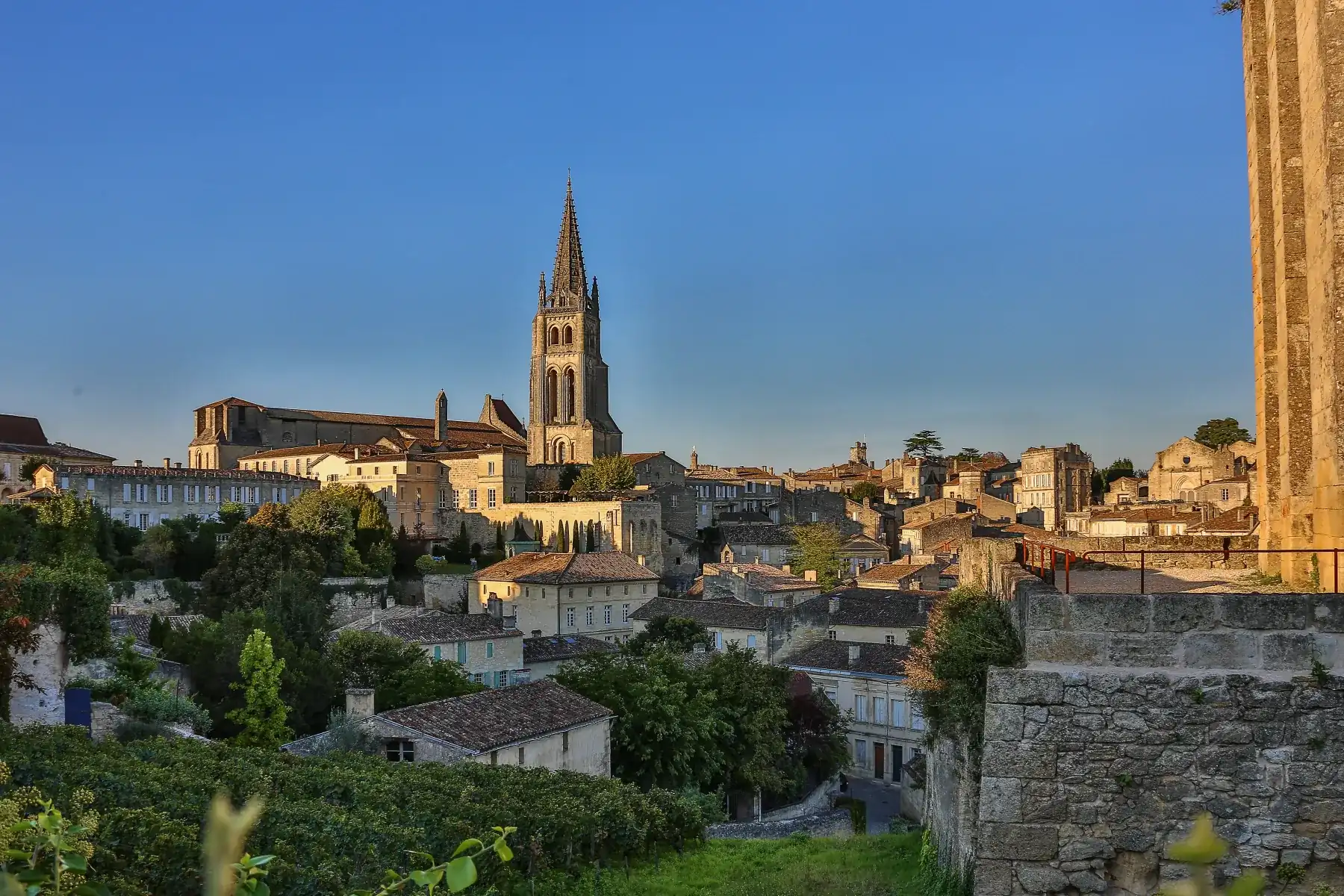
Left Bank vineyards sit on deep gravel left by the rivers: warm, well drained, perfect for late-ripening Cabernet. Right Bank vineyards sit on clay and limestone, cooler soils that suit Merlot. In Saint-Émilion, some cellars are carved straight into the limestone, and the whole landscape of vineyards and villages is listed by UNESCO.
How it tastes in the glass
Taste a young Left Bank red and a young Right Bank red side by side and the difference is clear. The Left Bank wine feels firmer, with noticeable tannins, notes of blackcurrant, cedar and graphite, and a long, dry finish. The Right Bank wine feels softer and rounder, with plum, black cherry and sometimes chocolate notes. With age, both become more complex and the gap narrows, which is why old vintages from either bank can be hard to tell apart.
The classifications
- Left Bank: the 1855 classification ranks the great estates of the Médoc and Sauternes, and has barely changed since.
- Right Bank: Saint-Émilion has its own classification, revised roughly every ten years. Pomerol has none at all.
Good to know
Reading a label? If it says Margaux, Pauillac, Saint-Julien or Saint-Estèphe, it is Left Bank and Cabernet-led. If it says Saint-Émilion or Pomerol, it is Right Bank and Merlot-led.
What about the white wines?
The Left and Right Bank distinction is mostly about red wine. Bordeaux whites follow their own map: crisp dry whites from Entre-Deux-Mers, richer dry whites from Pessac-Léognan and the Graves, and the famous sweet wines of Sauternes on the Left Bank. If you enjoy white wine, a day in Sauternes or Pessac-Léognan shows a side of Bordeaux many visitors miss.
Food pairing, Left vs Right
- Left Bank reds: lamb, grilled beef, hard cheeses. Their structure needs rich food.
- Right Bank reds: duck, roast chicken, mushrooms. Their softness suits more delicate dishes.
- Sauternes: blue cheese, foie gras, or fruit desserts that are less sweet than the wine.
Which bank should you visit first?
If you love powerful, structured reds, start with the Médoc. If you prefer softer wines and want a village to explore, start with Saint-Émilion. Best of all, taste both on consecutive days and compare: see Médoc or Saint-Émilion for a detailed comparison.
Our Weekend package covers both banks in two days, from €470 per person per day with tastings included. See all packages or build your tour.
Frequently asked questions
What is the difference between Left Bank and Right Bank Bordeaux?
Left Bank wines, from the Médoc and Graves, are Cabernet Sauvignon-led and grown on gravel. Right Bank wines, from Saint-Émilion and Pomerol, are Merlot-led and grown on clay and limestone.
Is Left Bank or Right Bank Bordeaux better?
Neither is better; they are different. Left Bank wines are more structured and age longer, Right Bank wines are rounder and more approachable young.
Is Saint-Émilion Left Bank or Right Bank?
Saint-Émilion is on the Right Bank, east of the Dordogne river.
Is the Médoc Left Bank or Right Bank?
The Médoc is on the Left Bank, north of Bordeaux along the Gironde estuary.

Five regions. One chauffeur-guide. Your Bordeaux.
From €420 / person / day · 1 to 5 days, up to −15%